HICLOVER Waste Incinerators: A Technical Comparison of Containerized Solutions
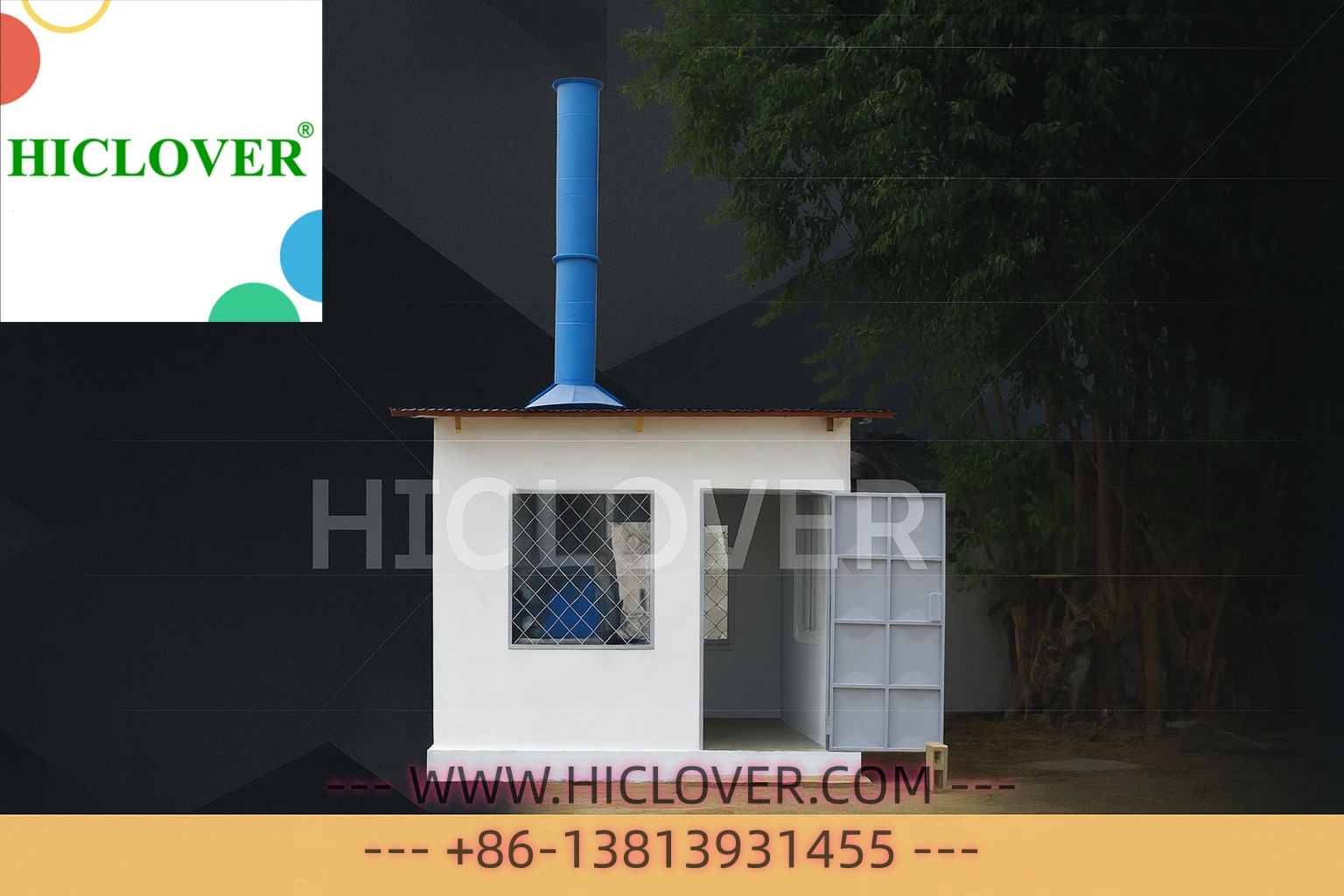
HICLOVER Waste Incinerators: A Technical Comparison of Containerized Solutions Market Positioning of Waste Incinerators The demand for efficient waste management solutions is growing, especially in regions like Guinea-Bissau where a reliable **clinical waste incinerator** is essential. HICLOVER stands out as a leading **containerized incinerator supplier**, offering robust engineering solutions that adhere to international standards. The HICLOVER waste incinerators operate within a high-temperature range of 800°C to 1300°C, ensuring effective combustion of various waste types. Their design incorporates dual combustion chambers, significantly enhancing thermal retention and reducing harmful emissions, thus aligning with global regulatory frameworks like WHO and EU emission standards. Comparative Analysis of Incinerator Types When evaluating waste incinerators, it is crucial to consider the differences between **fixed and containerized systems**. HICLOVER’s containerized units offer mobility with a **plug-and-play** design, making them ideal for crisis zones and remote sites. In contrast, fixed systems often lack adaptability and can be more…
HICLOVER Waste Incinerators: Pioneering Solutions for Global Waste Management
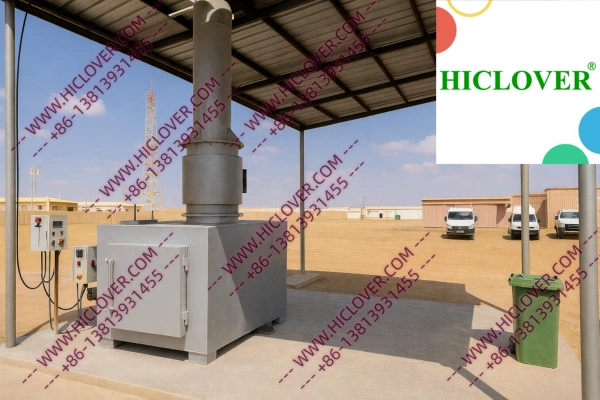
HICLOVER Waste Incinerators: Pioneering Solutions for Global Waste Management Introduction to HICLOVER Waste Incinerators In the realm of waste management, **HICLOVER Incinerator** stands out as a leading manufacturer of advanced **waste incinerators**. Designed to meet stringent industrial standards, HICLOVER’s incinerators operate at high temperatures, ensuring efficient combustion and compliance with global emission frameworks such as WHO and EU guidelines. With a focus on engineering reliability, these incinerators are tailored for diverse applications, from **Benin incinerators for sale from China** to **Kenya hospital incinerator manufacturers**. Technical Specifications and Combustion Principles HICLOVER’s **waste incinerators** are equipped with dual combustion chambers, a feature that ensures complete combustion of waste materials. The primary chamber operates at temperatures ranging from 800°C to 1000°C, while the secondary chamber reaches up to 1200°C, effectively destroying pathogens and reducing harmful emissions. The **incinerator door** is designed for optimal heat retention, ensuring energy efficiency and operational safety. For those…
Transforming Waste Management: The HICLOVER Portable Waste Incinerator
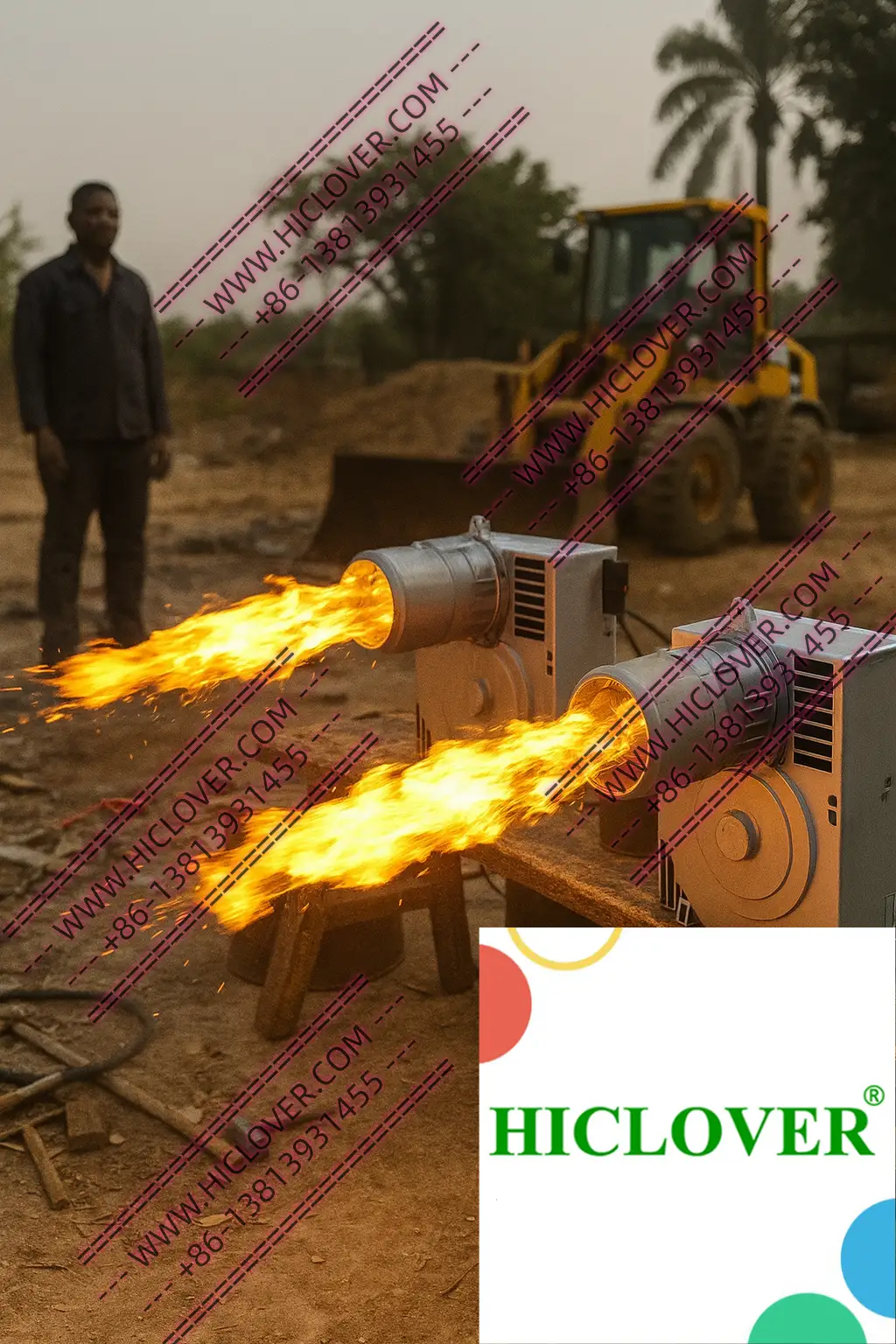
Transforming Waste Management: The HICLOVER Portable Waste Incinerator In an era where waste management is becoming increasingly crucial for environmental sustainability, HICLOVER offers a revolutionary solution: the portable waste incinerator. With innovative technology and a commitment to efficiency, HICLOVER is at the forefront of the waste incineration industry. This article delves into the features, applications, and effectiveness of HICLOVER’s waste incinerators, showcasing why they are a preferred choice among portable incinerator manufacturers. Understanding Waste Incineration Technology Waste incineration is an effective method of waste disposal that involves the combustion of waste materials at high temperatures. This process not only reduces the volume of waste significantly but also helps in eliminating pathogens and harmful substances. HICLOVER’s waste incinerators are designed with advanced technology to ensure optimal performance, safety, and environmental compliance. Key Features of HICLOVER Waste Incinerators Portability: HICLOVER’s incinerators are compact and lightweight, making them easy to transport and deploy…

Incinerator Suppliers in Kenya: Choosing a Reliable Waste Incinerator for Hospitals, Cities, and Industrial Projects
Incinerator Suppliers in Kenya: Choosing a Reliable Waste Incinerator for Hospitals, Cities, and Industrial Projects Kenya is moving quickly in healthcare modernization, urban sanitation upgrades, and industrial development. With rising waste volumes—from municipal solid waste to infectious medical waste—project owners increasingly require controlled, on-site disposal solutions that are safe, efficient, and scalable. In many cases, a properly engineered waste incinerator remains one of the most practical tools for long-term waste reduction and biosecurity. If you are evaluating incinerator suppliers in Kenya, the real question is not only “who can sell an incinerator,” but who can deliver an industrial-grade incineration system with stable combustion, reliable automation, export-ready logistics, and long-term parts support. Why Waste Incinerator Demand Is Growing in Kenya Kenya’s waste management pressure is driven by real operational challenges: Expanding hospitals and clinics generating infectious fractions and contaminated disposables Urban growth increasing mixed waste volume and landfill limitations Rising attention…

Gambia Waste & Medical Waste Incinerator Market Report
Gambia Waste & Medical Waste Incinerator Market Report Field-Oriented Review Across Banjul, Serrekunda, Brikama, Bakau, Farafenni 1. The Gambia context: a narrow geography with concentrated waste pressure The Gambia is one of Africa’s smallest countries, defined by a narrow river-based geography, high urban concentration, and limited land availability for waste disposal. These characteristics create localized but intense waste management pressure, especially for medical waste and sensitive solid waste. Waste generation and institutional activity are primarily concentrated in: Banjul – capital city, port, ministries, central hospitals, UN and NGO offices Serrekunda – largest urban area with dense population, clinics, and laboratories Brikama and Bakau – urban extensions with district hospitals and public services Farafenni – regional hub serving rural catchment areas In The Gambia, incineration is increasingly regarded as a controlled health-protection solution, rather than a general municipal waste strategy. 2. Structural characteristics of the Gambia incinerator market A. Medical waste…

Seychelles Waste Incinerator Market Report: Island Constraints, Tourism Pressure, and Practical Treatment Paths (VictoriaCMahéCPraslinCLa Digue)
Seychelles Waste Incinerator Market Report: Island Constraints, Tourism Pressure, and Practical Treatment Paths (VictoriaCMahéCPraslinCLa Digue) 1) Market snapshot: why Seychelles is a “Small Island, high-visibility” waste market In Seychelles, solid waste management is shaped by realities that are very different from large mainland countries: Land scarcity makes long-term landfilling politically and physically difficult. Tourism brand protection means waste issues quickly become public-facing, especially around Victoria, coastal zones on Mahé, and visitor hubs on Praslin and La Digue. High logistics cost (inter-island transport, limited heavy industry base) pushes decision-makers to favor solutions that are reliable, simple to operate, and auditable. Government sources describe the national challenge as typical of a Small Island Developing State (SIDS): high transportation costs, limited land, capacity/funding constraints, and reliance on controlled landfill systems such as Providence on Mahé. 2) Where the demand is: the Seychelles buyer segments that actually procure A) Healthcare waste (the most consistent…

Disaster and Emergency Zones: Rapid Deployment Waste Incineration
Disaster and Emergency Zones: Rapid Deployment Waste Incineration Another critical use-case for small waste incinerators is in disaster relief and emergency response scenarios. Natural disasters, conflicts, and disease outbreaks can generate sudden surges of hazardous waste C from used medical supplies in emergency field hospitals to contaminated debris. In these situations, waiting weeks or months to set up permanent waste facilities is not an option. Instead, responders rely on rapid-deployment incinerators to manage waste and prevent secondary health crises. Portable incinerator units, often built into standard shipping containers or mounted on trailers, can be shipped quickly into disaster zones and set up on-site within days. They enable aid organizations to safely burn infectious and organic waste, ensuring that disease vectors (like pathogens in soiled bandages or bodily fluids) are neutralized even in the midst of chaos. The United Nations and NGOs commonly incorporate incineration into their WASH (Water, Sanitation, and Hygiene) interventions for…

Medical and Solid Waste Incinerators in Benin: Market Characteristics and Reliable Solutions
Medical and Solid Waste Incinerators in Benin: Market Characteristics and Reliable Solutions Benin is boosting its healthcare services and waste management capabilities in major cities such as Cotonou, Porto-Novo, and Parakou. With more hospitals, laboratories, and diagnostic centers operating daily, the volume of medical waste continues to rise. In addition, solid community waste must be handled properly to maintain public health and urban cleanliness. Investment in professional incineration equipment is becoming a clear necessity for Benin. Market Characteristics in Benin The waste sector in Benin faces several challenges: limited landfill capacity, rapid urbanization, and varying infrastructure levels between urban and rural areas. Healthcare facilities in Cotonou may follow modern waste protocols, while clinics in cities like Bohicon or Natitingou may rely on burning pits or uncontrolled disposal. Key characteristics shaping demand: Growing healthcare infrastructure producing infectious waste Larger hospitals requiring continuous disposal capacity Environmental sensitivity in coastal regions near Cotonou…

Market Analysis Report: Medical Waste Incinerator Demand in Burkina Faso
Market Analysis Report: Medical Waste Incinerator Demand in Burkina Faso 1. Introduction Burkina Faso faces increasing challenges in managing medical and pharmaceutical waste, driven by healthcare expansion, population growth, and international aid programs. Proper disposal of infectious, pathological, and hazardous waste remains a crucial national priority to ensure environmental protection and public health―especially in hospitals, clinics, remote health posts, and emergency response units. A reliable incineration-based disposal solution is a practical and compliant option for healthcare infrastructure in Burkina Faso, where waste generation is rising but treatment capacity remains limited. The HICLOVER TS200 PLC medical waste incinerator is positioned as a highly suitable equipment choice for the country’s current market needs. 2. Market Characteristics in Burkina Faso Key Factor Market Insight Healthcare System Expansion Continuous development of new hospitals and NGOs funding waste facilities Regulatory Pressure Stronger national and international compliance for infectious waste treatment Electricity & Infrastructure Gaps Requires…

Efficient Fixed Incineration Systems for Agricultural Demonstration Zones
Efficient Fixed Incineration Systems for Agricultural Demonstration Zones Modern agricultural demonstration zones, including crop processing areas and agri-logistics centers, face growing challenges in managing solid waste such as discarded plastic films, fertilizer bags, and rotten fruits and vegetables. These wastes, if improperly handled, can cause soil contamination, pest growth, and odor pollution. The HICLOVER medium-scale fixed incinerator provides a practical, low-maintenance, and environmentally sound solution for such integrated agricultural parks across Asia, Africa, and Latin America. Agricultural Waste Challenges in Integrated Demonstration Parks In large farming hubs―such as China’s modern agricultural bases, Kenya’s fresh produce centers, and Brazil’s agri-logistics corridors―mixed waste accumulates from cultivation, packaging, and daily processing. Traditional open burning and landfilling are increasingly restricted due to environmental laws. The HICLOVER fixed incineration system addresses these challenges by ensuring complete combustion, minimal odor, and simple exhaust treatment, ideal for agricultural demonstration parks seeking green development certification or ISO-based environmental…