
Reliable Medical Waste Incineration for Refugee Camps and Post-Disaster Shelters
Reliable Medical Waste Incineration for Refugee Camps and Post-Disaster Shelters Across many parts of the world, humanitarian operations face serious challenges in managing medical and domestic waste safely. Refugee settlements and post-disaster camps―whether in conflict-affected regions of East Africa, the Sahel, or after earthquakes in areas such as Turkey, Pakistan, or Nepal―often lack access to stable waste-treatment infrastructure. Without proper disposal systems, contaminated waste can quickly become a source of infection and environmental pollution. Critical Waste Challenges in Temporary Camps Emergency and displacement zones generate a wide mix of waste: used bandages, syringes, protective clothing, plastic packaging, and food residues from relief kitchens. In many camps, open burning or uncontrolled dumping remains common, posing risks to both workers and local residents. For humanitarian agencies and local authorities, the priority is to establish self-contained, easy-to-operate waste treatment systems that can be installed rapidly and managed by minimal staff. HICLOVER Medical-Type Incinerators…

Medical Waste Incineration Solutions in Cameroon: HICLOVER’s Proven Experience
Medical Waste Incineration Solutions in Cameroon: HICLOVER’s Proven Experience Growing Demand in Cameroon’s Healthcare and Defense Sectors Cameroon, located in Central Africa, faces increasing pressure to safely manage hazardous medical waste from hospitals, research institutions, and military health facilities. With a rising population and expanding healthcare infrastructure, the government has prioritized sustainable medical waste disposal systems that comply with international environmental and health standards. In particular, military health services and national research programs require robust and reliable incineration systems to protect both soldiers and civilians from the risks associated with infectious medical waste. HICLOVER’s Contribution to Cameroon HICLOVER has a strong track record of supplying high-quality medical waste incinerators across Africa. A recent project included the delivery of a 100 kg/hour capacity medical incinerator (Model YD100, equivalent to TS100) to a major health authority within Cameroon. This unit was designed to support a government health program under the Ministry of…

Traitement Avancé des Déchets en Algérie avec l’Incinérateur HICLOVER TS100 PLC
Traitement Avancé des Déchets en Algérie avec l’Incinérateur HICLOVER TS100 PLC Le Défi des Déchets Médicaux en Algérie Le système de santé algérien se développe rapidement. De nouveaux hôpitaux, des campagnes de vaccination et des laboratoires diagnostiques génèrent un volume croissant de déchets médicaux dangereux. Pour se conformer aux normes internationales telles que la Directive Européenne sur les Émissions Industrielles (2010/75/UE – IED) et aux directives de l’OMS, l’Algérie a besoin de systèmes d’incinération des déchets robustes, efficaces et respectueux de l’environnement. HICLOVER TS100 PLC : Conçu pour l’Efficacité et la Conformité L’incinérateur HICLOVER TS100 PLC est un système avancé, prêt à être containerisé, spécialement conçu pour le traitement des déchets de santé et institutionnels. Sa conception technique garantit l’élimination sûre des déchets infectieux, des objets piquants et des résidus pharmaceutiques, tout en respectant les limites d’émission les plus strictes au niveau international. Principales Caractéristiques Techniques Capacité de Combustion Le…
Advanced Waste Management Incinerator Solutions in Tanzania
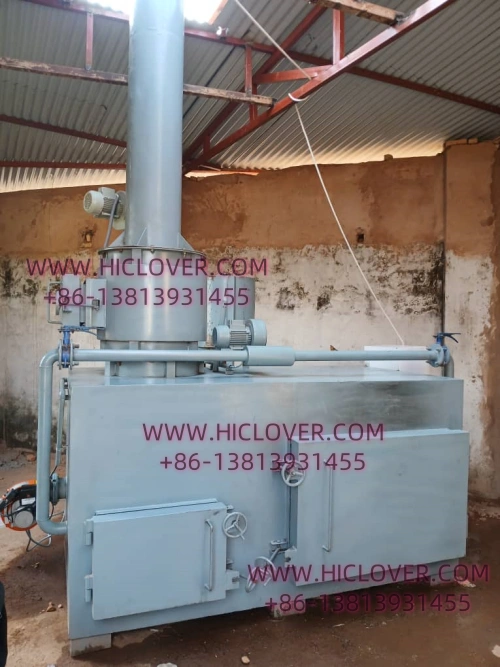
Advanced Waste Management Incinerator Solutions in Tanzania: HICLOVER’s High-Temperature Technology Tanzania, as one of East Africa’s most dynamic developing countries, is facing pressing challenges in the field of waste management. Rapid urbanization, the expansion of medical facilities, and population growth have made efficient and environmentally responsible waste treatment a top priority. Among the available technologies, the waste management incinerator has proven to be the most practical and reliable solution for medical and hazardous waste disposal. HICLOVER, a global supplier of advanced incinerator systems, has introduced equipment designed to meet Tanzania’s specific needs while integrating sustainable waste management solutions. The Role of High-Temperature Incineration in Tanzania Unlike open burning or uncontrolled landfills, incineration at controlled high temperatures ensures the complete destruction of pathogens and reduces waste volume by up to 90 percent. A Tanzania incinerator high temperature system can reach combustion temperatures exceeding 850C1200°C in the primary and secondary chambers. These…

Efficient Biomedical and General Waste Management in Kenya
Efficient Biomedical and General Waste Management in Kenya: Why the HICLOVER TS30 PLC Incinerator is the Right Choice Kenya, like many growing economies, faces increasing challenges in safe and compliant biomedical and general waste disposal. County hospitals, rural health centers, research laboratories, veterinary clinics, and private medical practices all produce significant volumes of infectious and general waste that must be destroyed safely to protect public health and the environment. In response to both regulatory standards and practical on-the-ground needs, a waste incinerator capable of processing around 35 kg per batch load and rated at 35 kg/hour, featuring twin combustion chambers and adequate retention time, has become the preferred solution for many Kenyan institutions. The HICLOVER TS30 PLC incinerator is a modern, efficient answer to these requirements―engineered to support Kenyan facilities in delivering safe and compliant waste management. Why Kenyan healthcare and related sectors need this type of incinerator Moderate daily…

Australia’s Pet Cremation Market
Australia’s Pet Cremation Market: History, Customer Needs, Market Gaps, and Opportunities for HICLOVER Incinerators Australia has long been recognized as a nation of animal lovers, with more than 28 million pets in a country of about 26 million people. This deep connection between people and their pets has created a growing demand for pet cremation services that are dignified, professional, and environmentally responsible. In this article, we explore the evolution of Australia’s pet cremation market, what pet owners really want, where current service gaps lie—and why HICLOVER’s pet incinerators, including the A600 and mobile models, are perfectly positioned to help Australian cremation businesses meet rising demand. The Evolution of the Pet Cremation Market in Australia Early stage (before 2000s): Pet cremation services were limited, mostly offered by large veterinary hospitals or animal shelters. Owners often had no choice but mass cremation or burial. Growth stage (2000–2015): Increase in small, independent…
Mobile Pet Cremation: Market Overview in Australia, New Zealand, and the United States
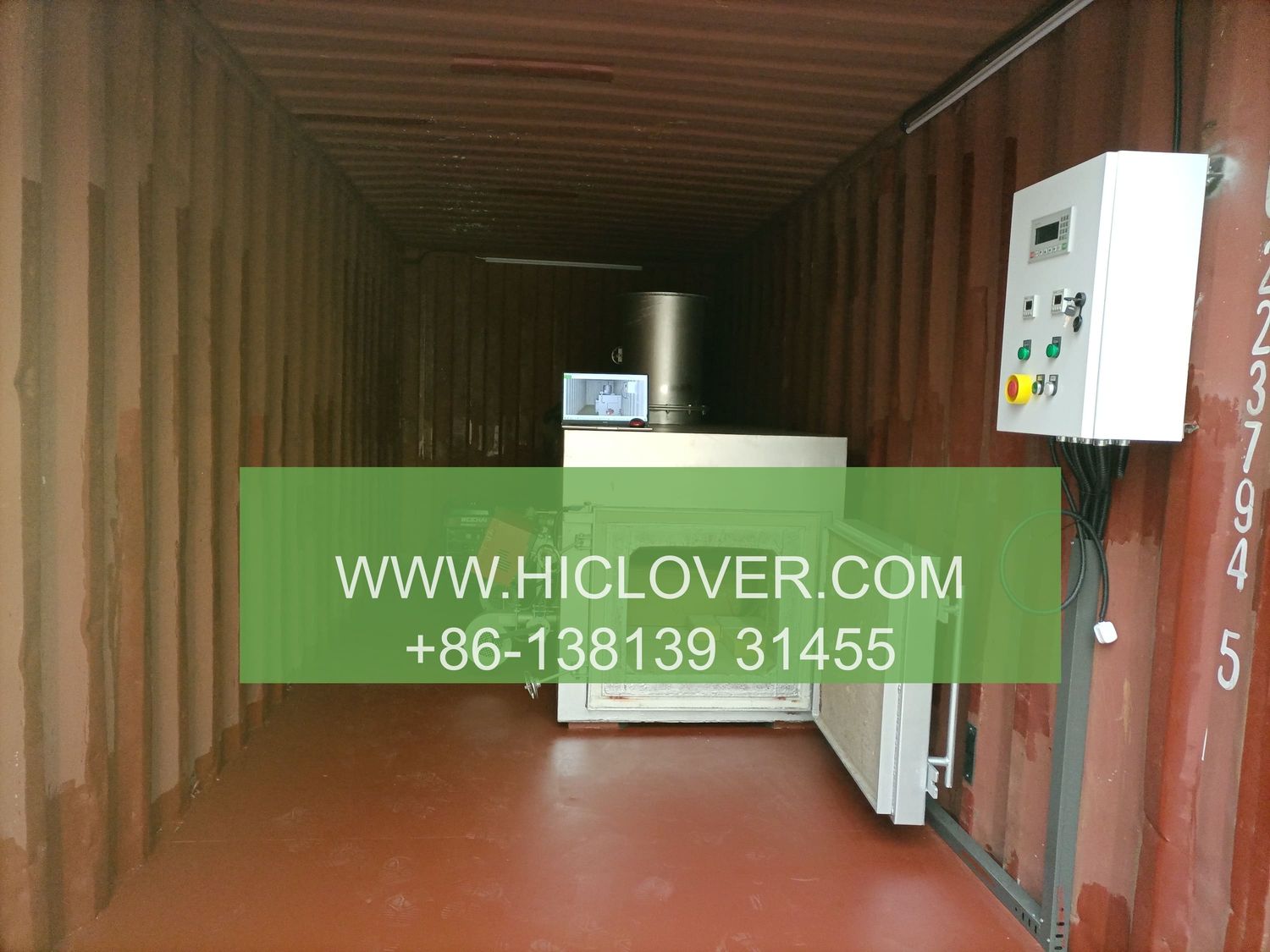
Mobile Pet Cremation: Market Overview in Australia, New Zealand, and the United States Growing demand for mobile pet cremation Across Australia, New Zealand, and the United States, the pet industry has seen steady growth, with pet ownership rising year by year. At the same time, pet owners increasingly look for: Personalized and dignified cremation services On-site cremation that avoids transporting their pet over long distances Environmentally responsible solutions This has created a niche but fast-expanding market for mobile pet cremation units, where the service provider can visit a customer’s home, veterinary clinic, or small animal hospital, perform cremation on site, and hand over ashes directly. Why mobile cremation units are popular in these markets 1. Convenience & emotional care In the US, Australia, and New Zealand, pet owners often see pets as family members. Mobile units provide private, same-day services that feel more respectful than centralized cremation plants. 2. Rural…

Small Medical Waste Incinerators in Rwanda
Small Medical Waste Incinerators in Rwanda Rwanda, known for its rapid economic transformation and commitment to environmental sustainability, has made significant progress in modernizing its healthcare waste management system. With a growing network of district hospitals, health centers, and specialized clinics, the demand for compact, reliable medical waste incinerators has never been greater. Market Overview: Rwanda’s Healthcare Waste Needs Rwanda’s healthcare system includes: Over 40 district hospitals Nearly 500 health centers and posts Expanding private clinics in Kigali and secondary cities These facilities collectively generate a mix of: Sharps (needles, syringes) Infectious dressings and PPE Small quantities of anatomical and pharmaceutical waste Given Rwanda’s strong environmental policy, there is a national push for: Replacing open burning pits and outdated single-chamber brick incinerators Using dual-chamber incinerators that meet WHO guidelines Introducing small-capacity, energy-efficient units for district-level use Recent Tenders and Public Procurement Over the last five years, Rwanda’s Ministry of Health…
WHO-Supported Medical Waste Incineration Projects
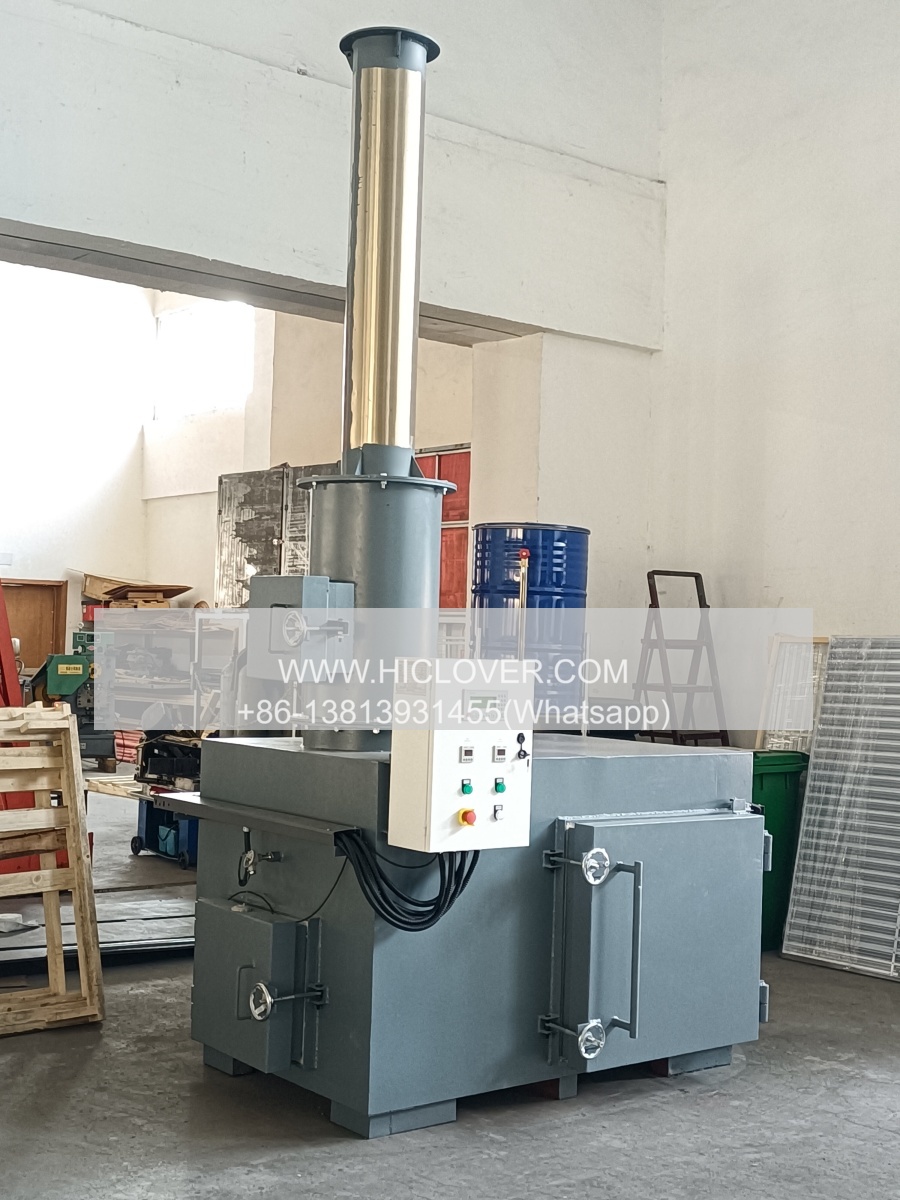
WHO-Supported Medical Waste Incineration Projects: Improving Public Health and Environmental Safety Worldwide Effective and safe treatment of healthcare waste is a critical component of global health systems. Over the past two decades, the World Health Organization (WHO) has supported numerous projects focused on medical waste incineration, aiming to protect healthcare workers, patients, and communities from infectious and hazardous waste. These projects combine technical guidance, procurement of appropriate technologies, and capacity building to ensure sustainable solutions in both low- and middle-income countries. Project Examples and Geographic Focus 1. African Health Facility Waste Management Program (2008C2015) Supported by WHO, the World Bank, and national ministries of health. Countries included: Ghana, Nigeria, Kenya, Tanzania, Ethiopia, and Zambia. Installed dual-chamber diesel-fired incinerators (50C100 kg/hour) in over 100 district hospitals. Technical specification: Primary combustion chamber ≥ 800°C. Secondary chamber ≥ 850°C with residence time ≥ 2 seconds. Chimney height ≥ 8C12 meters. Achievements: Reduction in…
Advantages of Medical Waste Incineration
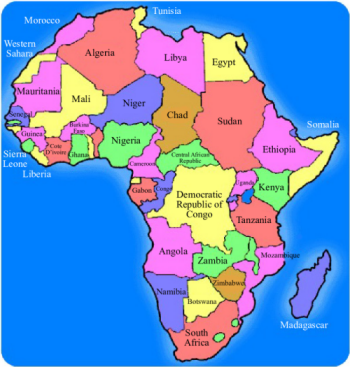
Advantages of Medical Waste Incineration and Its Suitability in African Healthcare Systems Advantages of Medical Waste Incineration 1. Effective pathogen destruction High-temperature incineration (typically over 850°C in the secondary chamber) destroys viruses, bacteria, and other harmful microorganisms. This makes it highly effective for treating infectious medical waste, including sharps, contaminated dressings, and pathological waste. 2. Significant volume and weight reduction Incineration can reduce the original volume of waste by up to 90C95%, leaving only inert ash. This minimizes the need for landfill space, which is especially important in regions where waste disposal infrastructure is limited. 3. On-site treatment reduces risk By installing incinerators within or near hospitals, clinics, and health centers, medical facilities avoid the need to transport hazardous waste over long distances―a process that increases risk of leaks, spills, and infection. 4. Flexibility for different waste types Modern dual-chamber incinerators handle a mix of waste: infectious waste, expired medicines,…